
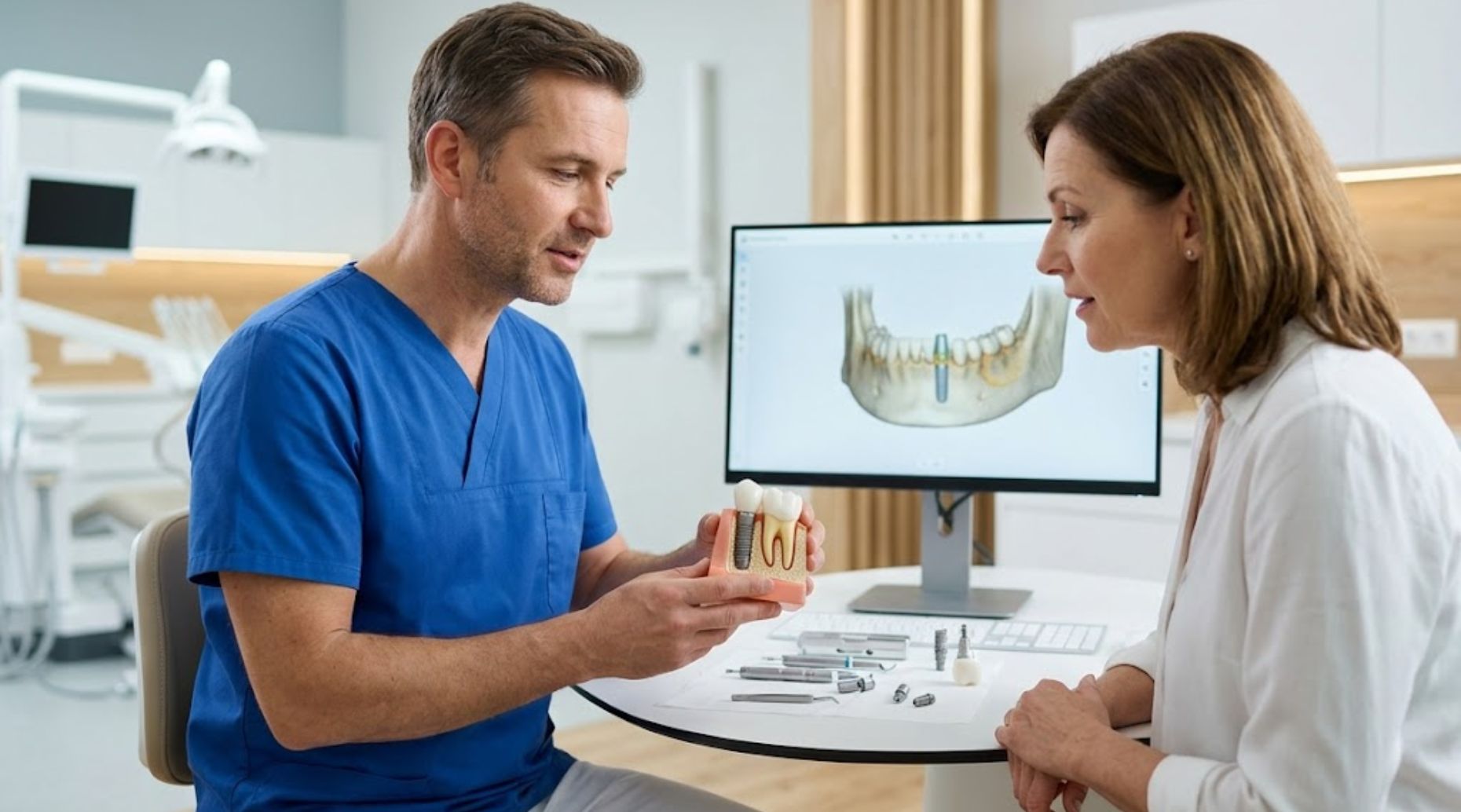
Choosing the right implant dentist is crucial for ensuring a successful dental implant procedure. With the increasing demand for dental implants, it is essential to understand the qualifications, experience, and technologies that contribute to a dentist’s ability to provide high-quality care. This article will guide you through the key factors to consider when selecting an implant dentist, including their qualifications, the dental implants Dearborn procedure, cost considerations, and aftercare practices. By the end, you will be equipped with the knowledge to make an informed decision that aligns with your oral health needs.
What Qualifications and Certifications Should an Implant Dentist Have in Dearborn?
When selecting an implant dentist, it is vital to consider their qualifications and certifications. A qualified implant dentist should have completed extensive training in implant dentistry and hold relevant certifications. Board certification is particularly important as it indicates that the dentist has met specific educational and professional standards in the field.
Why Is Board Certification Important for Implant Dentists?
Board certification is a significant indicator of a dentist’s expertise in implant dentistry. It ensures that the dentist has undergone rigorous training and adheres to high standards of care. Certified dentists are more likely to stay updated with the latest advancements in dental technology and techniques, which can lead to better patient outcomes.
How Do Years of Experience Impact Implant Dentist Selection?
Experience plays a crucial role in the selection of an implant dentist. Studies show that dentists with more years of experience tend to have higher success rates with dental implants. An experienced dentist is likely to have encountered a variety of cases, allowing them to handle complications more effectively and provide tailored treatment plans for their patients.
What Does the Dental Implant Procedure in Dearborn Involve?
The dental implant procedure typically involves several stages, starting with a comprehensive consultation. During this initial visit, the dentist will evaluate your oral health, discuss your goals, and create a personalized treatment plan. The procedure itself includes the surgical placement of the implant, followed by a healing period where the implant integrates with the jawbone.
What Are the Step-by-Step Stages of Dental Implant Surgery?
Dental implant surgery consists of several key stages:
- Initial Consultation: The dentist assesses your oral health and discusses treatment options.
- Implant Placement: The titanium post is surgically inserted into the jawbone.
- Healing Period: The implant integrates with the bone, typically taking 3-6 months.
- Abutment Placement: An abutment is attached to the implant to support the crown.
- Crown Placement: The final restoration, or crown, is placed on the abutment.
What Advanced Technologies Are Used in Implant Procedures?
Modern implant dentistry utilizes advanced technologies to enhance the precision and success of procedures. Techniques such as digital X-rays and 3D imaging allow for accurate planning and placement of implants. Additionally, technologies like CEREC enable same-day restorations, reducing the overall treatment time for patients.
How Much Do Dental Implants Cost in Dearborn and What Financing Options Are Available?
The cost of dental implants in Dearborn can vary based on several factors, including the complexity of the case and the materials used. On average, patients can expect to pay between $3,000 and $5,000 per implant. Many dental practices offer financing options to help make the procedure more affordable.
| Service | Price | Financing Options |
|---|---|---|
| Single Dental Implant | $3,000 – $5,000 | Monthly payment plans available |
| Implant-Supported Dentures | $6,000 – $12,000 | Financing through third-party providers |
| Bone Grafting (if needed) | $500 – $3,000 | Flexible payment options |
This table illustrates the various costs associated with dental implant services and the financing options available to patients.
What Factors Influence the Cost of Dental Implants?
Several factors can influence the overall cost of dental implants, including:
- Number of Implants Needed: More implants will increase the total cost.
- Preparatory Treatments: Additional procedures, such as bone grafting, may be necessary.
- Dentist’s Experience Level: Highly experienced dentists may charge more for their services.
Who Is a Good Candidate for Dental Implants in Dearborn?
Not everyone is a suitable candidate for dental implants. Ideal candidates should have good oral health, sufficient bone density, and a commitment to maintaining oral hygiene. During the consultation process, the dentist will evaluate your overall health and dental history to determine your candidacy.
What Health Conditions Affect Implant Eligibility?
Certain health conditions can impact a patient‘s eligibility for dental implants. Conditions such as uncontrolled diabetes, severe gum disease, and certain autoimmune disorders may complicate the healing process. It is essential to discuss any existing health issues with your dentist during the consultation.
How Does the Consultation Process Determine Candidacy?
The consultation process is critical in determining whether a patient is a good candidate for dental implants. During this visit, the dentist will conduct a thorough oral examination, review medical history, and discuss any concerns. This comprehensive evaluation helps ensure that the patient is well-informed and prepared for the procedure.
What Aftercare Practices Ensure Dental Implant Longevity?
Aftercare is vital for the success and longevity of dental implants. Patients should adhere to the following practices:
- Daily Oral Hygiene: Regular brushing and flossing help prevent infection.
- Regular Dental Checkups: Routine visits allow the dentist to monitor the implant’s health.
- Dietary Considerations: Avoiding hard or sticky foods can protect the implant during the healing phase.
How Long Do Dental Implants Typically Last with Proper Care?
With proper care, dental implants can last a lifetime. Factors such as oral hygiene, regular dental visits, and lifestyle choices significantly influence the longevity of implants. Patients who maintain good oral health practices are more likely to enjoy the benefits of their implants for many years.
Further emphasizing the importance of diligent post-treatment care, research highlights its critical role in the long-term success of dental implants.
Long-Term Post-Treatment Care for Dental Implants
A pivotal element contributing to sustained achievement of dental implants is the ongoing upkeep of peri-implant tissues, encompassing both hard and soft components, over long term. The objective of study is to examine post-treatment care of patients who underwent dental implant procedures in Riyadh, Saudi Arabia, focusing on their adherence to dental practitioner recommendations.
Patients’ maintenance care towards dental implant as an option for replacement of missing teeth in Riyadh, Saudi Arabia, 2023
In summary, choosing the right implant dentist in Dearborn involves careful consideration of their qualifications, experience, and the technologies they use. By understanding the dental implant procedure, associated costs, and aftercare practices, you can make an informed decision that supports your oral health needs. If you’re looking for a qualified implant dentist, consider reaching out to Haytham A. Fares, DDS, PC, a dental practice specializing in comprehensive dental care with a strong focus on restorative dentistry and dental implants.
Frequently Asked Questions
What should I expect during the initial consultation for dental implants?
During the initial consultation for dental implants, you can expect a comprehensive evaluation of your oral health. The dentist will review your medical history, conduct a thorough examination, and may take X-rays or 3D images to assess your jawbone structure. This visit is also an opportunity for you to discuss your goals and any concerns you may have. The dentist will use this information to create a personalized treatment plan tailored to your specific needs.
Are there any risks associated with dental implant surgery?
Like any surgical procedure, dental implant surgery carries some risks. Potential complications include infection at the implant site, nerve damage, and sinus issues if the implant is placed in the upper jaw. However, these risks are relatively low when the procedure is performed by a qualified and experienced dentist. It’s essential to discuss any concerns with your dentist, who can provide information on how to minimize these risks and ensure a successful outcome.
How can I prepare for dental implant surgery?
Preparing for dental implant surgery involves several steps. First, follow your dentist’s pre-operative instructions, which may include avoiding certain medications and foods. It’s also advisable to arrange for someone to drive you home after the procedure, as you may feel groggy from sedation. Additionally, maintaining good oral hygiene leading up to the surgery can help reduce the risk of infection. Discuss any specific concerns with your dentist to ensure you are fully prepared.
What should I do if I experience discomfort after the procedure?
Experiencing some discomfort after dental implant surgery is normal, but it should be manageable. Your dentist will likely prescribe pain medication to help alleviate any pain. If you experience severe pain, swelling, or signs of infection, such as fever or pus, contact your dentist immediately. They can assess your situation and provide appropriate treatment to address any complications. Following post-operative care instructions is crucial for a smooth recovery.
How do I choose the right dental implant materials?
Choosing the right dental implant materials is essential for the success of the procedure. Most implants are made from titanium, known for its biocompatibility and strength. However, some patients may opt for zirconia implants, which are tooth-colored and may be preferred for aesthetic reasons. Discuss the options with your dentist, who can recommend the best material based on your specific needs, oral health, and aesthetic preferences.
What lifestyle changes should I consider after getting dental implants?
After getting dental implants, certain lifestyle changes can enhance their longevity. Maintaining excellent oral hygiene is crucial, so commit to regular brushing and flossing. Additionally, avoid hard or sticky foods that could damage the implant during the healing phase. Regular dental checkups are also essential for monitoring the health of your implants. If you smoke, consider quitting, as smoking can negatively impact healing and implant success.
Conclusion
Choosing the right implant dentist in Dearborn is essential for achieving successful dental implant outcomes, as it ensures you receive high-quality care tailored to your needs. By understanding the qualifications, experience, and technologies involved, you can make an informed decision that supports your oral health journey. If you’re ready to take the next step towards restoring your smile, consider reaching out to Haytham A. Fares, DDS, PC today.