
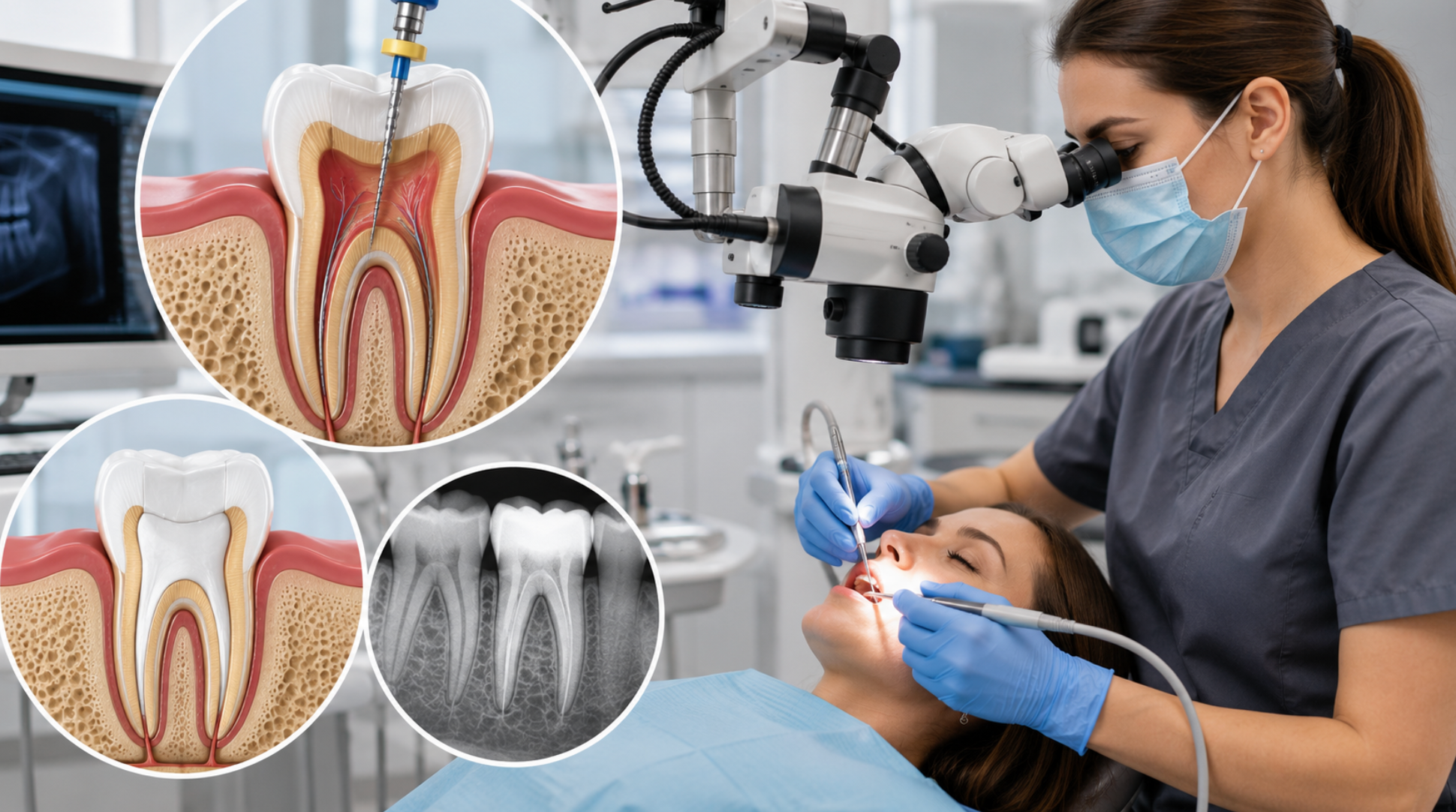
Root canals are often feared by many, though understanding the process can dramatically reduce anxiety and enhance patient experience. This procedure is vital for saving a tooth that is structurally compromised due to infection or decay, preventing further oral health complications through Endodontics Dearborn services. In this article, we’ll explore what a root canal involves, the sensations and experiences during the treatment, and effective pain management strategies to ensure comfort throughout. By addressing common concerns and providing clarity, this guide aims to empower patients to approach their dental care with confidence, particularly concerning root canal therapy in Dearborn, MI. You will learn about the steps involved in the procedure, how pain is managed, the different anesthesia options available, and tips for aftercare to ensure a successful recovery.
What Is a Root Canal Procedure? Understanding Steps and Purpose
A root canal procedure is a dental treatment designed to save a tooth that has become infected or damaged within the pulp chamber. The primary purpose of this procedure is to remove infected tissue, alleviate pain, and prevent further decay, ultimately preserving the natural tooth structure. The procedure involves several key steps, starting with anesthesia for patient comfort, then accessing the pulp chamber, removing the infected tissue, and finally sealing the tooth with a biocompatible material. Such interventions significantly increase the chances of retaining your natural tooth, making awareness of the root canal process essential for patients who want to understand the importance of preserving natural dental structures.
Why Is a Root Canal Necessary?
Root canals become necessary due to several factors, including deep dental decay, repeated dental procedures on the same tooth, or trauma causing damage to the tooth’s nerve. Left untreated, these issues can lead to severe infection and abscess formation, causing significant pain and potentially affecting adjacent teeth and overall oral health.
Overview of Steps in a Root Canal
The root canal process typically includes the following steps:
- Initial Consultation: An examination and X-rays are performed to determine the extent of decay or infection.
- Anesthesia: Local anesthesia is applied to the affected area to ensure a pain-free procedure.
- Pulp Removal: The dentist drills into the tooth to access the pulp chamber and removes the infected pulp.
- Cleaning and Shaping: The empty pulp chamber is meticulously cleaned and shaped to prepare for filling.
- Filling: The chamber is sealed with a biocompatible material to prevent future infection.
- Restoration: A crown or filling is usually placed on the tooth for added strength.
Understanding these steps demystifies the process and helps reduce patient anxiety associated with root canals.
How Does Root Canal Therapy Work to Save Your Tooth?
Root canal therapy operates fundamentally by removing the source of infection and sealing the tooth to protect it from future issues. The procedure begins with the application of local anesthesia to ensure that the patient feels no pain during the operation. Following anesthesia, the dentist will create a small opening in the crown of the tooth to access the pulp. By meticulously removing the infected pulp and cleaning the empty chamber, dental professionals can eliminate bacteria and decay. Finally, the cleaned area is sealed with a rubber-like material to restore its integrity.
For individuals looking for exceptional care during this process, Haytham A. Fares, DDS, PC emphasizes pain-free procedures and advanced techniques through their specialized endodontic care, ensuring a compassionate experience for all patients.
What Are the Step-by-Step Stages of a Root Canal Treatment?
Each stage of a root canal is specialized to ensure patient safety and comfort while effectively treating the tooth. Here’s how the process unfolds:
- Diagnosis and Treatment Planning: Understanding the problem through X-rays and patient history.
- Treatment Preparation: From anesthesia to education about the procedure, preparation is vital.
- Accessing the Tooth: Drilling the tooth to gain access to the pulp chamber.
- Cleaning and Disinfecting: This step helps remove all infected material effectively.
- Sealing: The chamber is sealed to prevent reinfection, using advanced materials that the body will accept.
Familiarity with these stages can alleviate fears, as patients will understand what to expect during their time in the dental chair.
How Is Pain Managed During Root Canal Treatment in Dearborn MI?
Effective pain management is crucial to the success of a root canal. The procedure generally involves multiple techniques to ensure the patient remains comfortable throughout:
- Anesthesia Administration: Local anesthesia is used to numb the area, ensuring that the procedure is painless. Advanced techniques can also minimize discomfort during injections.
- Sedation Options: For anxious patients, sedation dentistry options may be available, ranging from mild sedation to general anesthesia, making the experience more tolerable.
- Post-Procedure Pain Relief: Dentists may recommend over-the-counter pain medications or prescribe stronger analgesics when necessary.
Techniques for Managing Pain
- Numbing Agents: Utilized during the procedure to target pain at the source.
- Relaxation Techniques: Breathing exercises or listening to music can help lower anxiety levels.
- Communication: Effective dialogue with the dentist about discomfort during the treatment can prompt immediate corrective measures.
This comprehensive approach not only ensures a smoother experience during the procedure but also promotes faster recovery.
What Anesthesia and Sedation Options Ensure a Painless Procedure?
Several anesthesia and sedation options are tailored to meet the varying needs of patients during root canal procedures. These options play a vital role in achieving pain-free experiences:
- Local Anesthesia: Typically the first-line option, it numbs only the affected area but keeps the patient alert.
- Nitrous Oxide: Commonly known as “laughing gas,” it helps to calm the patient, creating a relaxed state while allowing for rapid recovery post-procedure.
- IV Sedation: For severe anxiety, IV sedation can be administered, offering deeper relaxation and amnesia for the procedure.
The Importance of Safety and Recovery Processes
Safety during anesthesia administration is paramount. Dental professionals monitor vital signs throughout the procedure to ensure that patients remain stable. Upon completion of treatment, patients are advised on recovery protocols to manage any remaining discomfort and facilitate healing effectively.
What Does the Patient Experience During and After a Root Canal?
Understanding what to expect during and after the procedure can significantly alleviate anxiety. Many patients report varied sensations during the procedure, ranging from minimal discomfort to complete none due to effective anesthesia. After the procedure, some tenderness may occur as the anesthesia wears off.
Common Patient Sensations
Patients can experience different feelings during the root canal procedure:
- Pressure Sensation: A feeling of pressure may occur when the dentist accesses the pulp chamber.
- Vibration: The use of dental instruments may create some vibration sensations.
- Numbness: Once the anesthesia takes effect, patients should feel minimal to no pain.
After the root canal, it’s common to feel mild soreness in the treated tooth. This typically resolves within a few days as the healing process begins.
How Can Patients Reduce Anxiety and Fear Before and After Treatment?
Managing anxiety before and after a root canal is just as important as the procedure itself. Here are several strategies that can help:
- Pre-Treatment Consultations: Discussing concerns with the dentist can help in outlining the procedure steps and addressing fears.
- Deep Breathing Exercises: Practicing mindfulness and relaxation techniques can help calm pre-procedure nerves.
- Post-Procedure Follow-Up: Staying informed about what to expect after treatment can mitigate fears of complications.
Resources for Patient Education
Patients are encouraged to seek educational resources about root canals, including reliable dental health websites. Understanding the purpose and benefits of the procedure can help dispel myths and alleviate anxiety.
How Should You Care for Your Tooth After Root Canal Therapy?
Post-treatment care is critical for successful recovery and avoiding complications. Here are essential aftercare tips:
- Avoid Hard Foods: Stick to soft foods for a few days post-procedure to avoid damaging the tooth.
- Maintain Oral Hygiene: Continue brushing and flossing but be gentle around the treated area.
- Follow-Up Appointments: Regular follow-ups with the dentist help ensure the tooth is healing correctly.
Do’s and Don’ts for Recovery
- Do follow pain management instructions provided by the dentist.
- Don’t ignore unusual symptoms, such as increased swelling or severe pain, as these may indicate complications.
Caring for your tooth after a root canal is vital for recovery and maintaining oral health.
What Are Common Symptoms After a Root Canal and When to Contact Your Dentist?
After a root canal, patients may experience various symptoms as healing progresses:
- Mild Soreness: It’s normal to experience discomfort in the days following the treatment.
- Sensitivity: The tooth may be sensitive to pressure or temperature for a period.
- Changes in Bite: If the bite feels off, this could be due to swelling or incomplete sealing.
Urgent Signs to Contact a Dentist
Patients should reach out to their dentist if they notice:
- Increased Pain: Worsening pain or throbbing can indicate complications.
- Swelling: Significant or spreading swelling might require immediate attention.
- Fever: A fever post-procedure could suggest an infection.
Recognizing these signs early leads to timely intervention, which is essential for safeguarding overall health.
Which Aftercare Practices Support Fast Healing and Comfort?
Adopting proper aftercare practices ensures quicker recovery following a root canal. Here are some key practices:
- Cold Compresses: Applying ice packs can help manage any swelling and pain.
- Hydration: Staying hydrated aids in the healing process.
- Pain Medication Compliance: Following the prescribed medication regimen is crucial.
Effective Healing Practices
- Rest: Give yourself adequate time to heal without exerting too much effort.
- Nutritional Choices: Focus on nourishing foods that support your immune system and recovery.
- Follow-Up Visits: These are essential for confirming healing and addressing any outstanding concerns.
How to Choose the Right Root Canal Specialist in Dearborn MI?
Selecting a qualified root canal specialist is crucial for receiving high-quality care. Here are important factors to consider:
- Credentials and Experience: Check for qualifications and specialization in endodontics.
- Patient Reviews: Look for testimonials or reviews from prior patients to gauge satisfaction levels.
- Technological Advancements: Ensure the practice utilizes modern technology for better outcomes.
Factors to Consider When Choosing a Specialist
- Professional Affiliations: Membership in relevant dental associations can indicate commitment to ongoing education and best practices.
- Specialty Services: As offered by Haytham A. Fares, DDS, PC, experience with pain-free root canal therapy is an essential factor in the selection process.
What Qualifications and Technologies Should a Root Canal Dentist Have?
When considering a root canal dentist, it’s essential to assess their qualifications and the technology they employ:
- Education and Training: A degree in dentistry followed by specialized training in endodontics is crucial.
- Technological Expertise: Experienced dentists utilize advanced diagnostic tools, including digital X-rays and 3D imaging, for precise treatment planning.
- Patient Safety Standards: Use of proper sterilization techniques and up-to-date safety protocols ensures a secure environment for treatment.
Advancements in Dental Technology
Technology is rapidly evolving within the dental field. Dentists who use state-of-the-art endodontic instruments can perform procedures more efficiently, leading to better patient outcomes and experiences.
Where to Find Trusted Endodontists Near Me in Dearborn MI?
Locating reputable endodontists can be straightforward with the right strategies:
- Referrals: Ask your general dentist for referrals to trusted specialists in your area.
- Online Reviews: Use platforms to read patient reviews and ratings of local endodontic practices.
- Professional Associations: The American Association of Endodontists website can provide directories of certified specialists.
Utilizing Online Directories
Online directories, such as health-focused platforms, can be fruitful resources for finding dental professionals who specialize in root canal therapy and ensure high-quality care.
Employing these techniques ensures that patients have positive experiences during their root canal treatments, particularly at established clinics like Haytham A. Fares, DDS, PC, where they prioritize patient comfort and care.
Frequently Asked Questions
What are the risks associated with a root canal procedure?
While root canals are generally safe, there are potential risks involved, such as reinfection, incomplete removal of infected tissue, or difficulties during the procedure. Some patients might experience prolonged pain or discomfort post-treatment, which can signal complications. Additionally, if the tooth is severely damaged or the procedure fails, extraction might become necessary. Always discuss these risks with your dentist, who can provide personalized advice based on your dental history and condition.
How long does recovery take after a root canal?
Recovery time after a root canal varies by individual but generally takes a few days. Most patients return to their normal activities within 24 to 48 hours. Mild soreness or tenderness in the treated area is common and usually resolves within a week. During recovery, adhering to aftercare instructions, such as pain management and dietary restrictions, is crucial to ensure a smooth healing process and avoid complications.
Can a root canal fail, and what happens if it does?
Yes, a root canal can fail, though this is relatively uncommon. Failure can occur due to reinfection, improper sealing, or new decay. If this happens, the dentist may recommend retreatment, which involves reopening the tooth to address the existing issues. In some cases, a surgical procedure called apicoectomy may be necessary, where the tip of the tooth root is removed to eliminate infection. Regular follow-ups with your dentist can help monitor any potential complications.
What should I expect during my first appointment for a root canal?
During your initial appointment, your dentist will perform a thorough examination, often including X-rays to assess the extent of the damage or infection. They will discuss the procedure, answer any questions you may have, and may prescribe antibiotics to manage infection before starting the treatment. Once you’re comfortable and informed, they will explain the steps involved in the root canal procedure and make sure you’re ready for the next phase of treatment.
Are there any dietary restrictions following a root canal?
After a root canal, it’s advisable to stick to a soft diet for a few days to avoid putting stress on the treated tooth. Foods like yogurt, mashed potatoes, and smoothies are recommended, while hard or crunchy foods should be avoided during the initial recovery period. Additionally, staying away from extremely hot or cold items can help prevent sensitivity. Always follow your dentist’s specific dietary guidelines for optimal healing.
How are post-treatment symptoms different from complications?
Post-treatment symptoms like mild soreness or sensitivity are typical following a root canal and usually improve within a few days. Complications like severe pain, swelling, or fever indicate issues that may require immediate attention. If symptoms persist beyond a week or worsen, it’s essential to contact your dentist to rule out complications such as reinfection or improper sealing of the tooth.
Conclusion
Understanding root canal therapy can transform anxiety into empowerment while preserving your natural teeth and promoting long-term oral health. With effective pain management options available, patients can choose a procedure that prioritizes comfort and satisfaction. By investing in this vital treatment, you are taking a proactive step toward maintaining your dental well-being. Schedule your consultation with Dr. Haytham A. Fares today to learn more about how a root canal can benefit you.