
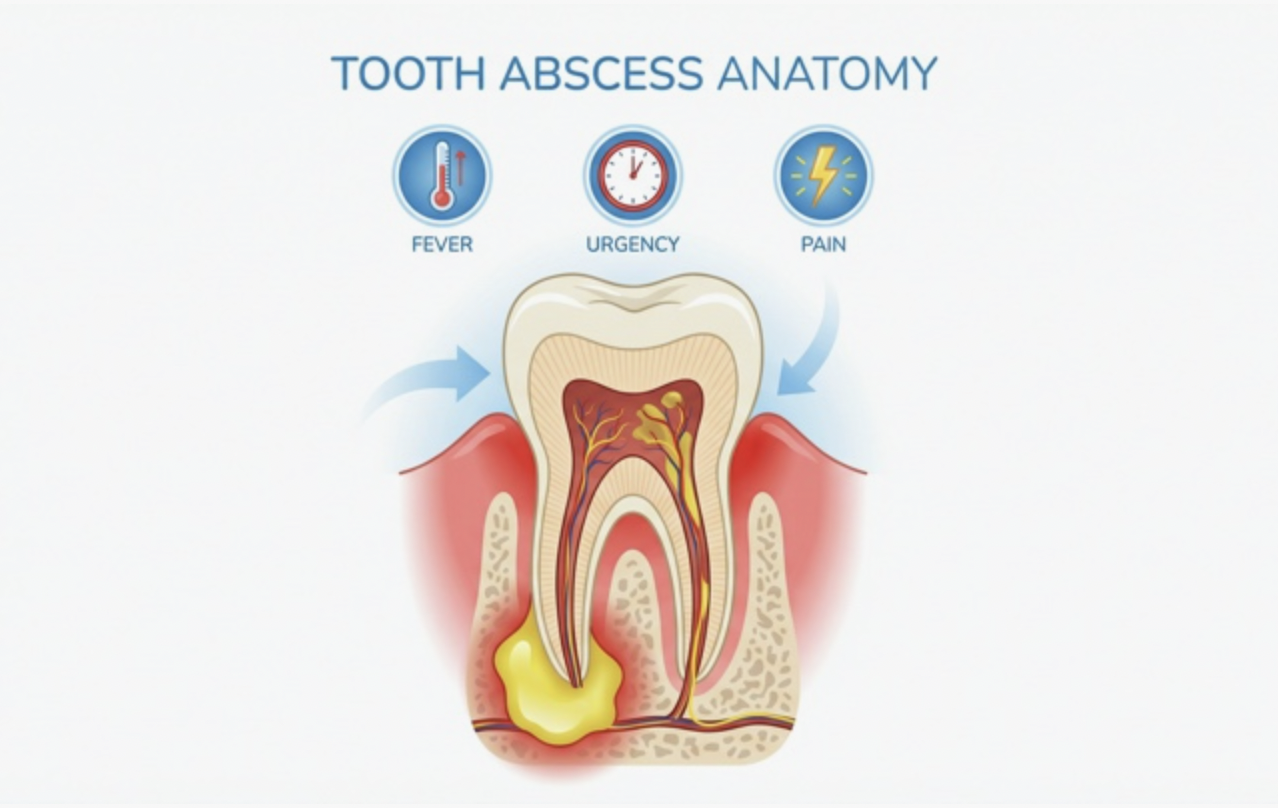
Tooth abscesses are painful infections that affect the root of a tooth or the surrounding gums, leading to severe discomfort and potential complications if left untreated. With advances in dental care, endodontics stands out as a vital solution for managing these infections effectively. This article will explore the essential role of endodontics, particularly in Dearborn, MI, and address the urgent need for treatment to prevent the spread of infection. The focus will delve into the benefits of endodontics, the procedures involved, expected outcomes, and how timely intervention can significantly improve dental health. We will also discuss practical tips to maintain oral health and when to seek emergency care.
Benefits of Endodontics
Endodontics, a branch of dentistry that deals with the treatment of dental pulp and surrounding tissues, offers numerous benefits for those experiencing tooth abscesses. By opting for endodontic treatment, patients can preserve their natural teeth, control infections, and alleviate pain effectively.
Preservation of Natural Teeth
One of the primary advantages of endodontics is its focus on preserving natural teeth. Many patients are primarily concerned about losing their teeth due to infection. Endodontic treatments, including root canal therapy, can help save compromised teeth by removing infected tissue while allowing the remaining structures to heal. Statistics reveal that approximately 90% of teeth treated with root canals can last a lifetime with proper care. This preservation not only maintains oral functionality but also contributes to overall health by preventing the need for more extensive dental procedures.
Infection Control
Endodontics specializes in controlling and eliminating infections within the tooth and surrounding tissues. The treatment typically involves cleaning the infected areas, disinfecting them, and sealing them to prevent reinfection. By addressing the infection at its source, endodontics helps prevent its spread to neighboring teeth or systemic health issues that can arise from untreated dental infections. This level of infection control is critical, as untreated pulp infections can lead to serious complications such as abscess formation and tooth loss.
Pain Relief
Another significant benefit of endodontic procedures is the pain relief they provide. Patients suffering from tooth abscesses often experience intense pain from pressure and inflammation surrounding the infected area. Endodontic treatments effectively alleviate this pain through precise interventions. Advanced pain management techniques employed during and after the procedures ensure patients remain comfortable throughout their treatment journey, making the experience as stress-free as possible.
Procedures
Endodontic procedures encompass a range of treatments designed to address various dental pulp issues, especially tooth abscesses. For effective management and treatment of such conditions, exploring endodontics in Dearborn is a critical step.
Root Canal Therapy
Root canal therapy is the cornerstone of endodontic treatment for tooth abscesses. The process involves several steps, beginning with a thorough examination and diagnostic imaging to evaluate the infection’s extent. Following this, local anesthesia is administered to numb the affected area, ensuring the patient’s comfort. The dentist then accesses the pulp chamber, removes the infected tissue, and thoroughly cleans and disinfects the area. After shaping the canal to allow for proper sealing, an inert filling material is placed to prevent future infections. Most root canal procedures can be completed within one to two visits, depending on the complexity of the case.
Root Canal Retreatment
In some cases, a tooth may require retreatment after an initial root canal. Retreatment is necessary when the infection persists or symptoms recur after the initial treatment. This process involves similar steps to the original root canal, including the removal of the previous filling material and meticulous cleaning of the canal system to eliminate infection. Understanding the signs that may indicate the need for retreatment, such as persistent pain or swelling, is crucial for patients. Early intervention can lead to better long-term outcomes and tooth retention.
Cracked Teeth Treatment
Cracked teeth often require specific endodontic treatments to prevent further complications. These fractures can expose the dental pulp to bacteria, leading to infections. Treatment varies based on the crack’s severity and location; sometimes, a simple filling may suffice, while other cases may necessitate more intensive procedures like root canal therapy.
Early identification and treatment of cracked teeth are vital in preserving tooth structure and maintaining overall dental health. This emphasizes the comprehensive nature of dental care available at practices like Haytham A. Fares DDS, PC.
Expected Treatment Outcomes
Following endodontic procedures, patients can anticipate a range of positive treatment outcomes contributing to their dental health and quality of life.
These expected outcomes highlight the overall effectiveness of endodontic treatments in managing tooth abscesses.
What Is a Tooth Abscess and What Are Its Common Signs?
A tooth abscess is a pus-filled pocket that develops due to a bacterial infection, often resulting from severe tooth decay, gum disease, or injury. Common signs of a tooth abscess include:
- Severe Toothache: Persistent, throbbing pain that may radiate to the jaw or neck.
- Swelling: Noticeable swelling in the gums or face around the affected area.
- Sensitivity: Increased sensitivity to hot or cold temperatures, even after the stimuli are removed.
- Bad Breath: Persistent foul odor due to the presence of infection.
- Fever: In some cases, patients may experience fever as the body fights off the infection.
Recognizing these symptoms early can prompt timely intervention, potentially preventing further complications.
Causes
Tooth abscesses usually develop when bacteria penetrate dental pulp or surrounding tissues. Common causes include:
- Untreated Tooth Decay: Bacteria can cause decay that ultimately leads to pulp infection.
- Gum Disease: Infections in the gums can weaken the supporting structures of teeth.
- Tooth Trauma: Chipped or cracked teeth allow bacterial entry, leading to pus formation.
Understanding these causes can empower individuals to take proactive steps in their oral health.
Potential Complications
Neglecting a tooth abscess can lead to severe complications, such as:
- Spread of Infection: Infection can extend to surrounding tissues or even systemic implications.
- Tooth Loss: If the infection significantly damages the tooth, extraction may be necessary.
- Osteomyelitis: A rare but serious condition where the infection spreads to the jawbone.
Recognizing the importance of timely treatment can safeguard against these complications.
Importance of Endodontics
Endodontics plays a critical role in preserving natural teeth and controlling infections. By addressing the root cause, patients can avoid potential dental and health complications, promoting a healthier lifestyle.
How Does a Pulp Infection Lead to a Tooth Abscess?
Pulp infections, if untreated, can lead to inflammation and subsequent bacterial growth, forming a pocket of pus known as an abscess. The infection can spread to surrounding tissues, increasing the urgency for endodontic intervention.
What Symptoms Indicate You May Have a Tooth Abscess?
Symptoms indicating a tooth abscess often overlap with those of other dental issues, such as:
- Severe pain or tenderness in the affected tooth or surrounding area.
- Swelling of the gums or jaw.
- Development of a bitter taste in the mouth or foul breath.
- Difficulty opening the mouth or swallowing.
If these symptoms arise, seeking immediate dental care is crucial.
Why Choose Endodontic Treatment in Dearborn for Tooth Abscess?
Endodontic treatment in Dearborn is particularly suited for managing tooth abscesses due to the expertise of dental professionals such as Haytham A. Fares DDS, PC. With a focus on tailored patient care and advanced technologies, endodontic treatments offer patients effective solutions for their dental health. Dr. Fares and his team emphasize personalized approaches that cater to individual patient needs, ensuring comfort and satisfaction throughout the treatment process.
How Does Root Canal Therapy Address Tooth Abscess Effectively?
Root canal therapy effectively addresses tooth abscesses by removing infected tissue, thus eliminating the source of bacterial growth. This procedure not only alleviates pain but also reinstates the tooth’s functionality, significantly reducing the risk of recurring infection. By employing state-of-the-art techniques, endodontists ensure maximal preservation of the tooth structure.
What Advanced Technologies Does Dr. Fares Use in Endodontics?
Dr. Fares utilizes advanced dental technologies to enhance endodontic procedures. These technologies include:
- Digital Imaging: Provides precise diagnostics for effective treatment planning.
- Microscopic Visualization: Enables detailed examination of canal systems, improving treatment outcomes.
- Laser Dentistry: Facilitates quicker recovery and reduces discomfort during procedures.
These innovations reflect a commitment to providing the highest standard of care.
When Is Emergency Dental Care Necessary for Tooth Infections in Dearborn?
Emergency dental care becomes essential when symptoms of a tooth abscess escalate, particularly if they include severe pain, swelling, or fever. Immediate treatment can prevent the spread of infection and mitigate complications, underscoring the importance of access to timely dental services in Dearborn.
How Can Immediate Treatment Prevent Infection Spread?
Timely intervention is crucial in stopping the progression of dental infections. By addressing an abscess quickly through endodontic treatment, patients can avert the need for more invasive procedures or even tooth loss. Early action ultimately enhances the likelihood of preserving natural teeth and maintaining optimal oral health.
What Should Patients Expect During an Emergency Dental Visit?
During an emergency dental visit for a tooth abscess, patients can expect:
- Pain Assessment: Doctors will evaluate the extent of pain and discomfort.
- Diagnostic Imaging: X-rays and other imaging may be used to understand the issue better.
- Treatment Recommendations: Options for immediate care will be discussed, potentially including root canal therapy.
Understanding these expectations can ease patient anxiety and promote more effective treatment outcomes.
How Can You Prevent Tooth Abscess and Maintain Oral Health?
Preventing tooth abscesses revolves around maintaining good oral hygiene and regular dental visits. Key strategies include:
- Proper Oral Hygiene: Regular brushing and flossing help eliminate bacteria.
- Regular Dental Check-ups: Professional cleanings and exams can detect issues before they escalate.
- Healthy Diet: Limiting sugary foods and drinks can reduce the risk of decay.
Implementing these preventive measures can significantly lower the chances of developing tooth abscesses.
What Oral Hygiene Practices Reduce Risk of Pulp Infection?
Effective oral hygiene practices that help reduce the risk of pulp infections include:
- Routine Brushing: Twice-daily brushing with fluoride toothpaste to strengthen teeth.
- Daily Flossing: Flossing removes plaque from areas a toothbrush can’t reach.
- Mouthwash Use: Antimicrobial mouthwash can help reduce bacterial growth.
By incorporating these practices into daily routines, individuals can protect themselves against infections and maintain optimal oral health.
When Should You Schedule Routine Dental Exams in Dearborn?
Routine dental exams should be scheduled at least twice a year to ensure ongoing oral health monitoring. These visits allow dentists to catch potential issues early and provide preventive care, diminishing the risk of tooth abscesses and other dental problems.
What Are the Post-Treatment Care Steps After Root Canal Therapy?
Post-treatment care following root canal therapy is crucial for optimal recovery and includes:
- Avoiding Hard Foods: For at least 24 hours post-treatment, stick to soft foods to avoid stress on the tooth.
- Maintaining Good Oral Hygiene: Continue brushing and flossing but be gentle around the treated area.
- Follow-up Appointments: Attend follow-up visits to check on healing and consider permanent restoration options.
Adhering to these guidelines can promote healing and maintain dental health.
Are Dental Implants an Option If Tooth Loss Occurs?
If tooth loss occurs despite best efforts to save a tooth, dental implants offer an effective replacement option. For those considering restorative solutions, exploring dental implants can provide a long-term solution.
How Does Haytham A. Fares DDS PC Stand Out for Tooth Abscess Treatment in Dearborn?
Haytham A. Fares DDS, PC stands out for tooth abscess treatment in Dearborn due to a comprehensive approach that combines expertise, advanced technology, and personalized care. The practice emphasizes timely intervention and patient communication, ensuring a supportive environment throughout treatment.
What Patient Care Protocols Ensure Comfort and Safety?
Patient care protocols at Haytham A. Fares DDS, PC focus on comfort and safety, employing:
- Advanced Pain Management Techniques: To alleviate discomfort during procedures.
- Thorough Risk Assessments: To identify and mitigate potential complications.
- Post-Treatment Support: Continued care instructions and follow-up consultations to address any concerns.
How Do Local Testimonials Reflect Treatment Success?
Patient testimonials consistently highlight the caring approach and effective results experienced at Haytham A. Fares DDS, PC. Many individuals express gratitude for comprehensive pain relief and successful treatment outcomes, showcasing the practice’s commitment to excellence in endodontics.
Frequently Asked Questions
1. What causes a tooth abscess?
A tooth abscess typically develops when bacteria penetrate the dental pulp through untreated tooth decay, gum disease, or a crack in the tooth. Once the pulp becomes infected, it can lead to inflammation and pus formation, resulting in an abscess. Effective oral hygiene is crucial in preventing infections and ensuring overall dental health.
2. How can I tell if I have a tooth abscess?
Common signs of a tooth abscess include severe toothache, swelling around the gums or face, increased sensitivity to temperature changes, and a persistent bad taste or odor in the mouth. If you experience these symptoms, it’s important to seek dental care to avoid complications.
3. Is endodontic treatment painful?
Most patients report that endodontic treatments, such as root canal therapy, are less painful than expected. Advanced pain management techniques and local anesthesia are utilized to ensure comfort during the procedure. Post-treatment discomfort is typically manageable with over-the-counter pain relief medications.
4. What is the recovery time after a root canal?
Recovery time after a root canal can vary, but most patients experience significant pain relief within 24 hours. It’s important to follow post-treatment care instructions, which may include avoiding hard foods and maintaining good oral hygiene to promote healing. Follow-up visits are usually scheduled to monitor recovery.
5. Can a tooth absorb infection after a root canal?
While root canal therapy is highly effective, it is possible for a tooth to develop a recurrent infection, especially if not cared for properly. Factors such as incomplete cleaning of the canal system or new decay can contribute. Regular check-ups and good oral hygiene practices are essential for maintaining tooth health post-treatment.
6. How often should I see the dentist to prevent tooth abscesses?
It is recommended to visit your dentist at least twice a year for routine exams and cleanings. These visits help identify potential issues before they escalate to the point of requiring endodontic treatment. A consistent dental care routine can significantly reduce the risk of developing a tooth abscess.
7. Are there alternatives to root canal therapy?
If root canal therapy is not feasible due to specific circumstances, alternatives may include tooth extraction or apicoectomy (surgical intervention at the root tip). However, keeping your natural tooth is preferable when possible, and your dentist can help determine the best treatment option for your situation.
Conclusion
Endodontic treatment is essential for managing tooth abscesses, effectively preserving natural teeth and controlling infections. By addressing these dental issues promptly, patients can experience significant pain relief and enhance their overall oral health. To prioritize your dental wellbeing, consider scheduling an appointment for a consultation. Explore more about our endodontic services and take the first step towards a healthier smile today.