
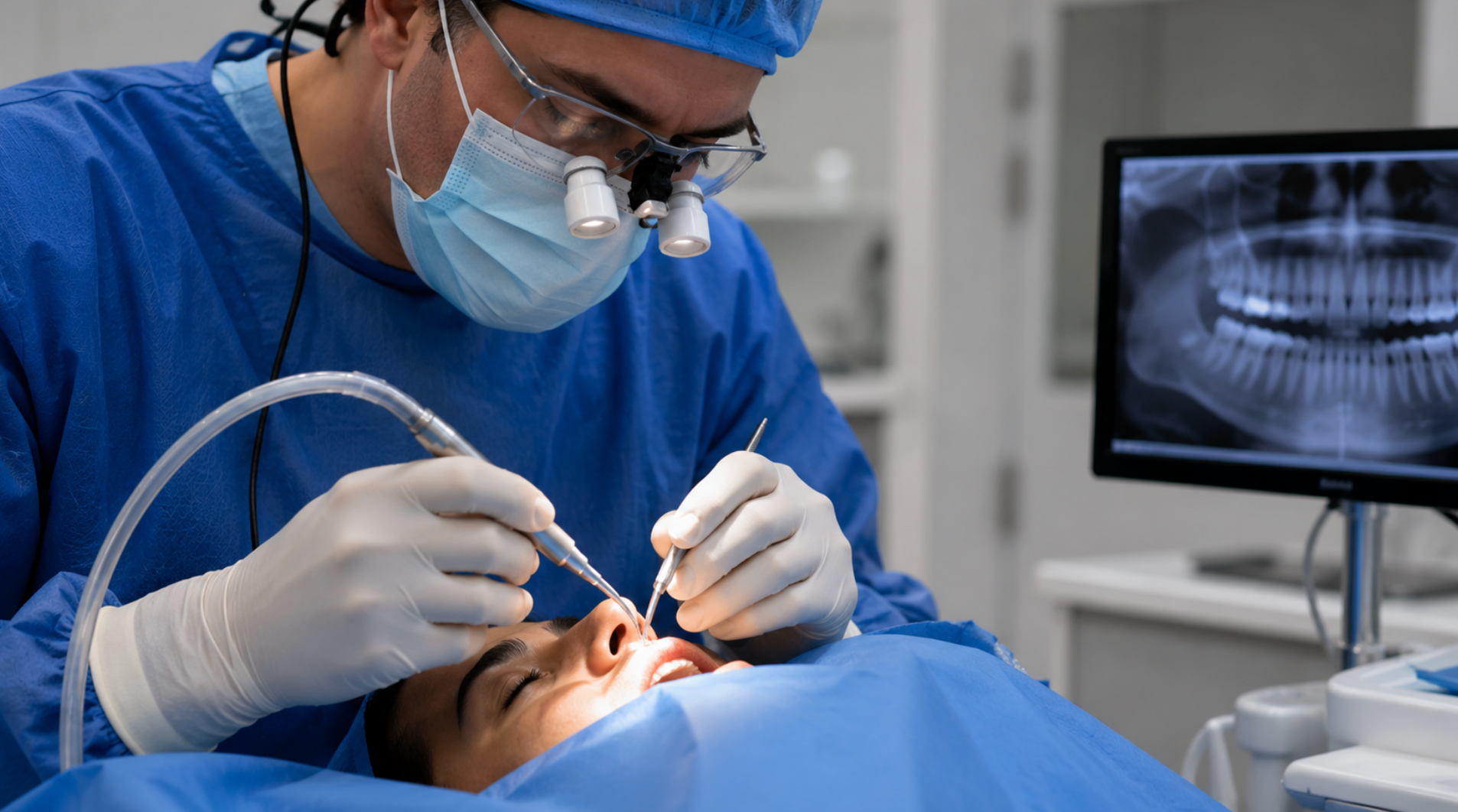
An apicoectomy is a specialized endodontic procedure aimed at removing the apex of a tooth’s root when a conventional root canal has failed or when there is persistent infection. This surgical intervention is crucial for maintaining oral health, especially within the Dearborn community where patients are seeking effective dental solutions to persistent issues. In this article, we will explore the definition of apicoectomy, its indications, the symptoms that necessitate this procedure, and the recovery process involved. Additionally, we will discuss why patients in Dearborn might choose Haytham A Fares DDS PC for their endodontic needs.
What Is an Apicoectomy: Understanding Root Canal Apex Removal
An apicoectomy is a form of endodontic surgery that involves the removal of the root tip (apex) of a tooth, along with the surrounding infected tissue. This procedure is typically recommended when the infection persists despite a standard root canal treatment. It serves to alleviate pain and prevent further complications related to tooth decay, ensuring overall dental health. Understanding the distinct steps and purposes of an apicoectomy can aid patients in making informed decisions about their dental care.
How Does Apicoectomy Differ from Standard Root Canal Treatment?
The primary difference between an apicoectomy and standard root canal treatment lies in the actually treated area. While a root canal focuses on removing infection from the inner chamber of the tooth and the root canals, an apicoectomy targets the root tip itself. This is often necessary when an infection persists at the root despite treatment, as the apicoectomy allows for access to the infection site at the root apex. It is important to evaluate individual cases to determine the most effective approach for treating endodontic failures.
What Are the Signs You Need an Apicoectomy in Dearborn MI?
Several signs may indicate the need for an apicoectomy. These include:
- Persistent Tooth Pain: Ongoing discomfort that doesn’t subside can signal underlying issues that require surgical intervention.
- Swelling Around Gums: Noticeable swelling or tenderness in the gums near the tooth can suggest an infection requiring immediate attention.
- Prolonged Sensitivity: Extended sensitivity to hot or cold after a root canal procedure might indicate the need for additional treatment, such as an apicoectomy.
Recognizing these signs early can lead to more effective treatment options and better outcomes.
Which Persistent Symptoms Indicate Endodontic Surgical Intervention?
In addition to the signs mentioned above, several persistent symptoms may suggest the need for endodontic surgical intervention:
- Recurring Infections: Frequent infections in the same area can point towards deeper issues within the tooth or its roots.
- Chronic Pain: Continuous or escalating pain levels often indicate that the infection is not clearing up, necessitating further evaluation.
- Sensitivity Reactions to Hot/Cold: Unusual sensitivity, especially if lasting, can mean that the tooth’s nerve is still affected.
Awareness of these symptoms helps patients seek timely help from their endodontist.
How Does an Endodontist Near Dearborn MI Diagnose the Need for Apicoectomy?
An endodontist utilizes various diagnostic tools to determine whether an apicoectomy is necessary. This includes:
- Diagnostic Tools: Tools such as X-rays provide valuable insights into the condition of the tooth and surrounding structures.
- Patient History: Gathering a comprehensive history of dental procedures allows the endodontist to assess previous treatments and ongoing symptoms.
- Visual Examinations: Direct observations during consultations help identify visible symptoms that may require surgical intervention.
Understanding the assessment process can alleviate concerns for patients apprehensive about treatment.
What Is the Typical Apicoectomy Recovery Time and Care?
The recovery time following an apicoectomy can vary depending on individual circumstances. Generally, patients can expect a recovery period of about 1-2 weeks for initial healing. Post-operative care is crucial to ensure a successful recovery, involving instructions from the dentist on pain management, dietary adjustments, and maintaining oral hygiene. Regular follow-up appointments may also be necessary to monitor healing and address any complications.
How Long Does Healing Take After Surgical Root-End Procedure?
After an apicoectomy, the initial healing phase typically spans 1-2 weeks, depending on the individual’s response and overall health. During this time, patients are advised to manage pain with prescribed medications and to observe any signs of complications, such as increased swelling or persistent discomfort. Most patients find that normal activities can resume within a few days, but specific guidelines from their healthcare provider should always be followed.
What Post-Procedure Care Supports a Successful Recovery?
To support a successful recovery, patients should adhere to the following care recommendations:
- Medications to Take: Following the prescribed medication schedule can help control pain and prevent infection.
- Oral Hygiene Practices: Gentle brushing and rinsing are encouraged to keep the surgical site clean without disturbing healing tissues.
- Signs to Watch for: Monitoring for any unusual symptoms, such as increasing pain or fever, can help catch complications early.
Implementing these guidelines provides a foundation for successful healing and long-term dental health.
What Are the Success Rates and Risks of Apicoectomy Procedures?
Apicoectomies typically have a high success rate, with studies showing a success rate of approximately 80-90%. Most patients experience relief from their symptoms following the procedure. However, like any surgical intervention, apicoectomies carry certain risks, including:
- Potential Risks Involved: Complications such as infections, nerve damage, or inadequate removal of the infected tissue can occur, highlighting the importance of skilled practitioners.
How Effective Are Modern Minimally Invasive Endodontic Surgery Techniques?
Recent advancements in dental technology have made minimally invasive techniques more common. These modern methods tend to decrease recovery time and reduce discomfort compared to traditional options. Effectiveness measures consistently show improved patient outcomes due to these innovations, as procedures can be performed with more precision and less trauma to surrounding tissues.
What Potential Risks Should Patients Discuss with Their Endodontist?
Before undergoing an apicoectomy, patients should discuss the potential risks with their endodontist, including:
- Post-Surgical Complications: Risks might include swelling, persistent pain, or infections.
- Importance of Patient-Provider Communication: Engaging in an open dialogue about expectations can help mitigate anxiety associated with the procedure.
Understanding these aspects fosters confidence in both the procedure and the healthcare provider.
Which Alternative Treatments Exist Besides Apicoectomy for Root Apex Issues?
In cases where an apicoectomy may not be advisable, certain alternative treatments are available. These include:
- Root Canal Retreatment: This involves going back into the original root canal to clean out any remaining infected tissue that may have been missed during the first treatment. This is viable when the root structure is intact and can be effectively treated.
- Dental Implants: In cases of significant tooth damage or failure, dental implants provide a permanent solution. They can effectively restore functionality and aesthetics if a tooth has become irreparable.
When Is Root Canal Retreatment a Viable Option?
Root canal retreatment is considered when a tooth becomes reinfected, and sufficient structure remains for additional treatment. Through this method, dentists can often reestablish healthy tooth function without resorting to more invasive procedures.
How Do Dental Implants Compare as a Restorative Alternative?
Dental implants remain a robust alternative for patients who require tooth replacement after extraction or severe damage. While an apicoectomy aims to save the natural tooth, implants offer a permanent solution, replacing both root and crown. Patients should weigh their overall oral health, recovery expectations, and long-term goals when considering their options.
Why Choose Haytham A Fares DDS PC for Apicoectomy and Endodontic Care in Dearborn?
Choosing the right dental practice is essential for successful outcomes in procedures like apicoectomies. At Haytham A Fares DDS PC, patients benefit from advanced technologies and personalized care approaches that enhance overall experiences. The practice prioritizes patient needs, ensuring thorough discussions about procedures and recovery are available.
What Local Expertise and Advanced Technologies Support Patient Outcomes?
The expertise of Dr. Haytham Fares, coupled with advanced endodontic technologies, allows for effective diagnosis and treatment while minimizing discomfort. With a commitment to continual education and adoption of the latest techniques, patients at Haytham A Fares DDS PC receive top-tier care tailored to their specific needs.
How Does Patient Education and Support Enhance the Treatment Experience?
Patient education is a cornerstone of the treatment experience at Haytham A Fares DDS PC. By informing patients about their conditions and the procedures involved, the practice fosters trust and strengthens the patient-provider relationship. This approach not only enhances treatment compliance but also leads to better health outcomes in the long run.
Frequently Asked Questions
What should I expect during the apicoectomy procedure?
During an apicoectomy, you can expect the dentist to administer local anesthesia to numb the area around the affected tooth. After ensuring you are comfortable, they will create a small incision in your gum tissue to access the root apex. The infected tissue will be carefully removed, and the area will be cleaned. Finally, the incision will be stitched up, and you will be given instructions for post-operative care. The procedure typically lasts about 30 minutes to an hour.
How can I manage pain after an apicoectomy?
Pain management following an apicoectomy is important for a smooth recovery. Your dentist will likely prescribe pain relief medications or recommend over-the-counter pain relievers. It’s advisable to take these as instructed, especially during the first few days when discomfort may peak. Applying a cold compress to the outside of your cheek may also help reduce swelling and provide relief. If pain persists or worsens, contact your endodontist for further guidance.
Are there specific foods I should avoid after an apicoectomy?
Yes, after an apicoectomy, it is advisable to avoid hard, crunchy, or chewy foods that could irritate the surgical site or disturb healing tissues. Steer clear of very hot or spicy foods, which can also be uncomfortable. Instead, opt for soft, cool foods like yogurt, smoothies, and soups. Ensure to maintain hydration without using straws, as suction can disrupt the surgical area. Following these dietary guidelines will promote better healing.
How will my follow-up appointments be scheduled after the procedure?
Follow-up appointments after an apicoectomy are critical for monitoring the healing process and ensuring the infection has cleared. Your endodontist will typically schedule your first follow-up appointment about one week post-procedure. Subsequent visits will be arranged based on your specific recovery, and any lingering symptoms you might discuss during those check-ups. Consistent communication with your dentist will help prioritize your oral health and treatment outcomes.
What potential complications should I watch for after an apicoectomy?
After an apicoectomy, it’s essential to monitor for any signs of complications. Potential issues include excessive swelling, persistent pain beyond a few days, fever, or drainage of pus from the surgical site, which could indicate an infection. If you notice these symptoms, you should reach out to your endodontist promptly. Early intervention can prevent further issues and ensure optimal recovery of your dental health.
When can I resume my regular activities after an apicoectomy?
Most patients can return to their regular activities within a few days post-apicoectomy, but this can vary based on individual circumstances and the complexity of the procedure. It’s important to listen to your body and avoid strenuous activities that may place strain on your recovery. Following your endodontist’s specific recommendations regarding activity levels will help ensure a smoother healing process.
Conclusion
Understanding the necessity and benefits of an apicoectomy is vital for maintaining dental health and relieving chronic pain. The insights shared in this article empower patients in Dearborn to make informed decisions regarding their treatment options. If you experience persistent tooth issues, don’t hesitate to reach out for a consultation to explore your choices. Visit Haytham A Fares DDS PC today for exceptional endodontic care tailored to your needs.