
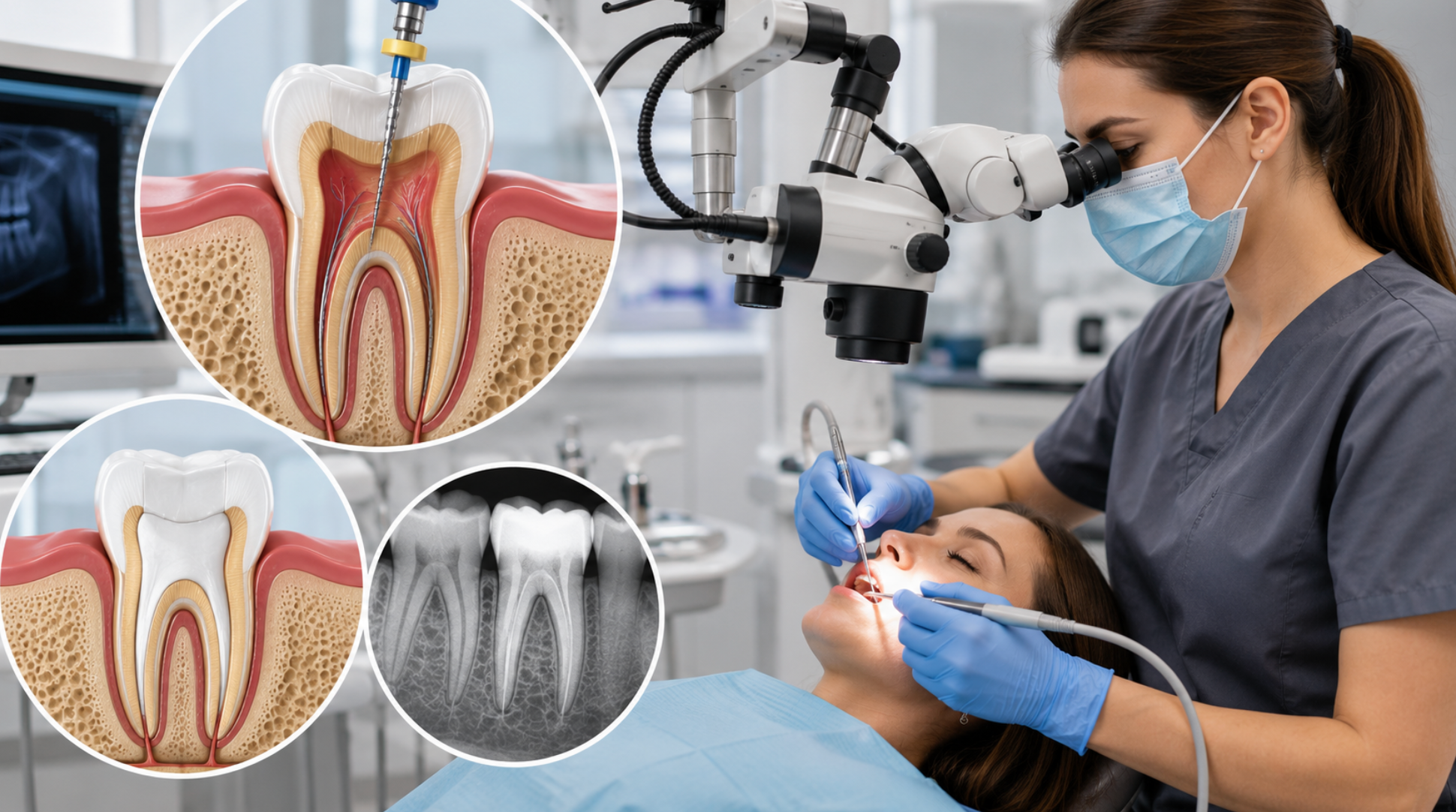
Endodontics is a specialized branch of dentistry focused on diagnosing and treating diseases of the dental pulp and the tissues surrounding the roots of a tooth. This field plays a critical role in preventing tooth loss, making it essential for maintaining oral health. Patients often seek endodontic therapy when they experience severe pain or sensitivity, indicating potential issues such as pulpitis or tooth infection. In this comprehensive guide, we will explore the importance of endodontics, the processes involved in treatment, and valuable insights to help you recognize the signs that you might need therapy. Additionally, we will also discuss how endodontic therapy helps in preserving natural teeth. For expert care in Dearborn, Michigan, consider consulting with Haytham A. Fares, DDS, PC.
Importance of Endodontics
Endodontics is vital for several reasons. First, it primarily helps in preventing tooth loss, which can lead to a cascade of dental and health issues if left untreated. Second, by focusing on saving natural teeth, it contributes to an individual’s overall oral health, allowing continued function and aesthetics. Lastly, effective endodontic treatment prevents the spread of infection to surrounding teeth and gums, thus ensuring a healthier mouth in the long run through Endodontics Dearborn, MI services.
Haytham A. Fares, DDS, PC offers expert endodontic services, helping patients in Dearborn, Michigan preserve their teeth through tailored treatments and advanced techniques.
Process of Endodontic Therapy
Endodontic therapy, commonly known as root canal treatment, generally involves several key steps:
- Diagnosis and Evaluation: A thorough examination to assess the condition of the tooth and the extent of infection.
- Anesthesia: Local anesthesia is administered to numb the affected area, ensuring the patient’s comfort during the procedure.
- Pulp Removal: The infected or inflamed dental pulp is carefully removed.
- Cleaning and Disinfecting: The tooth is disinfected and cleaned to remove bacteria and debris.
- Filling the Canal: After the cleaning process, the canal is filled with a biocompatible material to seal it and prevent future infections.
- Restoration: A crown or other restoration is placed on the tooth to restore its function and appearance.
What Are the Benefits of Endodontic Therapy?
There are several significant benefits associated with endodontic therapy:
- Preservation of Natural Teeth: Maintains the integrity of the natural tooth structure, allowing for continued function and aesthetics.
- Prevention of Infection Spread: Removes infected tissue to ensure that the infection does not spread to adjacent teeth or tissues.
- Reduced Pain: Alleviates pain caused by inflamed or infected dental pulp.
These advantages illustrate why seeking endodontic treatment can be a lifesaver for those experiencing tooth pain or infection.
Role of Dental Pulp
The dental pulp serves as the innermost part of the tooth, containing nerves, blood vessels, and connective tissue. Its primary function is to nourish the tooth, promoting vitality and health. If the pulp becomes infected due to decay, trauma, or other factors, it can lead to pain, abscess, and potential tooth loss. Understanding the role of dental pulp underscores the importance of early intervention in endodontic therapy to ensure a healthy mouth.
Signs Indicating the Need for Endodontic Therapy
Recognizing the symptoms requiring endodontic therapy is crucial for timely intervention. Common signs include:
- Persistent Tooth Pain: Ongoing discomfort that may exacerbate with pressure or hot/cold stimuli.
- Sensitivity: Prolonged sensitivity to temperature changes, influencing daily activities.
- Swelling and Tenderness: Noticeable swelling in the gums near the affected tooth, often accompanied by tenderness.
These indicators highlight the need for patients to consult with a dental professional for further evaluation.
Identifying Tooth Infection or Pulpitis
Tooth infections often manifest as pain, swelling, or changes in color. Pulpitis, an inflammation of the dental pulp, can be acute or chronic, with varying levels of pain intensity. Dentists typically use X-rays to identify the extent of infection and recommend appropriate endodontic treatment if needed. Prompt diagnosis is vital to avoid complications associated with untreated infections.
When to Consult a Root Canal Specialist
Patients should seek consultation with a root canal specialist when experiencing persistent symptoms such as severe tooth pain or swelling. An early consultation is essential to evaluate symptoms accurately and initiate treatment, preventing more severe complications. Addressing these issues promptly is crucial for maintaining dental health and overall wellbeing.
How Root Canal Treatment is Performed by a Dearborn Endodontist
In Dearborn, endodontist procedures are designed to ensure patient comfort and effective treatment. The professional will first diagnose the issue and explain the steps involved. Using modern technology, including microscopes and digital imaging, the endodontist will carry out the procedure, ensuring precision in cleaning and sealing the tooth.
What Are the Steps Involved in Root Canal Therapy?
The steps in root canal therapy typically include:
- Initial Examination: Assessing the condition of the tooth and planning the treatment.
- Anesthesia: Using local anesthetics to numb the area.
- Tooth Isolation: Protecting the tooth from saliva and bacteria by placing a rubber dam.
- Access Opening: Creating an opening to access the pulp chamber.
- Pulp Removal: Extracting the infected pulp tissue.
- Cleaning and Shaping: Cleaning and shaping the root canal system with specialized instruments.
- Sealing: Filling the canal with a biocompatible sealing material.
This comprehensive approach ensures that the tooth is well-maintained following the procedure, enabling patients to return to normal activities with minimal discomfort. For specialized endodontic treatments, endodontic care is essential.
Which Advanced Technologies Does Dr. Haytham A. Fares Use?
Dr. Haytham A. Fares utilizes advanced technologies in endodontics. These include:
- Digital Imaging: Enhances the accuracy of diagnoses and treatment planning.
- Microscopes: Allow for better visualization of small root canals and structures.
- 3D Imaging Technologies: Provide comprehensive insights into complex root canal systems.
These technologies help optimize results and provide a more comfortable experience for patients.
What Should Patients Expect During Recovery and Pain Management?
After an endodontic procedure, it is common to experience some discomfort. Patients can typically manage post-operative pain with over-the-counter medications. It is crucial to follow any specific instructions provided by the endodontist to facilitate quicker recovery. Many patients notice significant relief within 24-48 hours.
How Long Does Recovery Take After an Endodontic Procedure?
The recovery time following a root canal treatment generally ranges from a few days up to a week. However, factors such as the extent of the procedure, the individual’s health, and adherence to aftercare practices can influence the duration. Patients are encouraged to reach out to their dentist if prolonged pain or unusual symptoms arise.
What Effective Pain Relief Options Are Available?
Managing discomfort after an endodontic procedure can be achieved through various methods:
- Over-the-Counter Pain Relievers: Such as ibuprofen or acetaminophen can help control pain post-treatment.
- Cold Compresses: Application of a cold pack can reduce swelling.
- Prescription Medications: In some cases, the endodontist may prescribe stronger pain relief if necessary.
Understanding these options ensures that patients can navigate their recovery smoothly.
What Are the Costs and Insurance Coverage for Root Canal Treatment in Dearborn MI?
Root canal treatment costs can vary based on several factors, including complexity, location, and the specific dental practice. Generally, the cost can range from $700 to $1,500. It’s advisable to check with your dental insurance provider to understand coverage details, as many plans cover a significant portion of endodontic treatments.
How Can You Maximize Insurance Benefits for Endodontic Care?
To fully maximize benefits from dental insurance, consider:
- Understanding Your Plan: Review the coverage details regarding endodontic procedures.
- Consulting with Your Dentist’s Office: They can assist in verifying coverage and submitting claims.
- Scheduling Appointments Early in the Year: Insurance benefits typically reset annually; utilizing them early can lead to fully covered treatments.
By being proactive, patients can ensure they receive the necessary care without financial strain.
Are There Affordable Tooth Saving Treatments Available?
Several tooth-saving treatments exist that can be more affordable than traditional options. In addition to root canals, other options may include:
- Direct Pulp Capping: A less invasive procedure for early pulp exposure that can save the tooth.
- Pulpotomy: Removing the affected portion of the pulp while preserving the healthy part.
These treatments can offer effective solutions for managing dental health at a reduced cost.
What Are the Alternatives to Endodontic Therapy? Dental Implants and Tooth Extraction Explained
When endodontic therapy is not viable, alternatives exist, such as dental implants or tooth extraction. Dental implants provide a replacement that mimics the function and aesthetics of a natural tooth, while extraction may be necessary when a tooth is beyond saving or poses a health risk. Each option comes with its considerations, benefits, and drawbacks related to long-term oral health.
When Is Dental Implant Surgery Recommended Over Root Canal Treatment?
Dental implants are generally recommended in the following scenarios:
- Severe Damage: When the tooth structure is extensively compromised and cannot be saved.
- Failed Previous Therapies: If multiple root canals have been performed without satisfactory results.
- Long-Term Health Risks: Conditions where saving the tooth poses a greater health risk.
Considering these factors with the guidance of a dental professional can help determine the best course of action. For more information on dental implants, patients can explore options like dental implant surgery.
What Are the Advantages of Saving Teeth Versus Extraction?
Preserving natural teeth carries several advantages:
- Maintains Natural Bite: Keeps the alignment of surrounding teeth and jaw function intact.
- Prevents Bone Loss: Retaining teeth helps preserve jawbone structure and density.
- Cost-Effectiveness: Saving a tooth is generally more economical than replacing it with dental implants or bridges.
Understanding these benefits highlights the importance of seeking timely endodontic treatment when dental health is compromised.
Frequently Asked Questions
What Causes Tooth Infection Leading to Endodontic Therapy?
Tooth infections commonly occur due to dental decay, trauma, or cracks in the tooth. When bacteria enter the pulp chamber through these pathways, they can cause inflammation and infection, known as pulpitis. Factors like poor oral hygiene, untreated cavities, or previous dental work can worsen the risk of infection. Recognizing the initial symptoms, such as persistent pain or sensitivity, is essential for timely endodontic intervention and preventing further complications.
Can Endodontic Therapy Fail?
While endodontic therapy, particularly root canals, is quite successful, there is a possibility of treatment failure. Factors influencing this include the complexity of the root canal system, missed canals during treatment, or the development of new infections. Other conditions, such as a broken tooth or untreated decay around the tooth, may also contribute to failure. Regular follow-ups with your dentist can help monitor the treated tooth’s condition and address any emerging issues promptly.
What Lifestyle Changes Can Support Dental Health After Root Canal Treatment?
After undergoing root canal treatment, maintaining good dental hygiene is paramount. This includes brushing twice daily, flossing regularly, and using antibacterial mouthwash. A balanced diet low in sugary foods can also aid recovery and help prevent future infections. It’s also beneficial to schedule regular dental check-ups to monitor your oral health and catch potential issues early. Avoiding tobacco products and limiting alcohol intake can further enhance recovery and overall dental well-being.
Are There Any Risks Associated with Endodontic Procedures?
Like any medical procedure, endodontic treatments come with potential risks, albeit minimal. Risks include post-treatment discomfort, infection, or damage to surrounding teeth or tissues. Additionally, sometimes a tooth may not heal correctly, necessitating further treatment. However, when performed by a skilled specialist using advanced techniques, these risks are significantly minimized. Thorough communication with your endodontist about potential complications can help manage expectations and enhance treatment outcomes.
What Should Patients Do If Symptoms Return After Endodontic Therapy?
If you experience a return of symptoms, such as pain or swelling, after having undergone endodontic therapy, it’s vital to contact your dental professional immediately. These symptoms may indicate a need for retreatment or additional intervention due to new or unresolved issues. Timely assessment can determine whether further treatment, such as apicoectomy or other procedures, is necessary to resolve the problem effectively.
How Can Patients Manage Anxiety Surrounding Endodontic Procedures?
Managing dental anxiety is crucial for patients undergoing endodontic procedures. Discussing concerns openly with your dentist can help alleviate fears. Many practitioners also provide sedation options to ensure comfort during treatment. Additionally, engaging in relaxation techniques, such as deep breathing or visualization, may help ease anxiety. Bringing a supportive friend or family member to appointments can provide comfort, making the experience more manageable.
Conclusion
Understanding the critical role of endodontics can significantly enhance your overall dental health by preserving your natural teeth and preventing complications. This specialized treatment alleviates pain and prevents the spread of infections, ensuring your mouth remains healthy for the long term. If you’re experiencing symptoms that suggest you might need endodontic therapy, seek professional advice promptly. Explore our comprehensive dental services to find the best solutions for your oral health needs today.